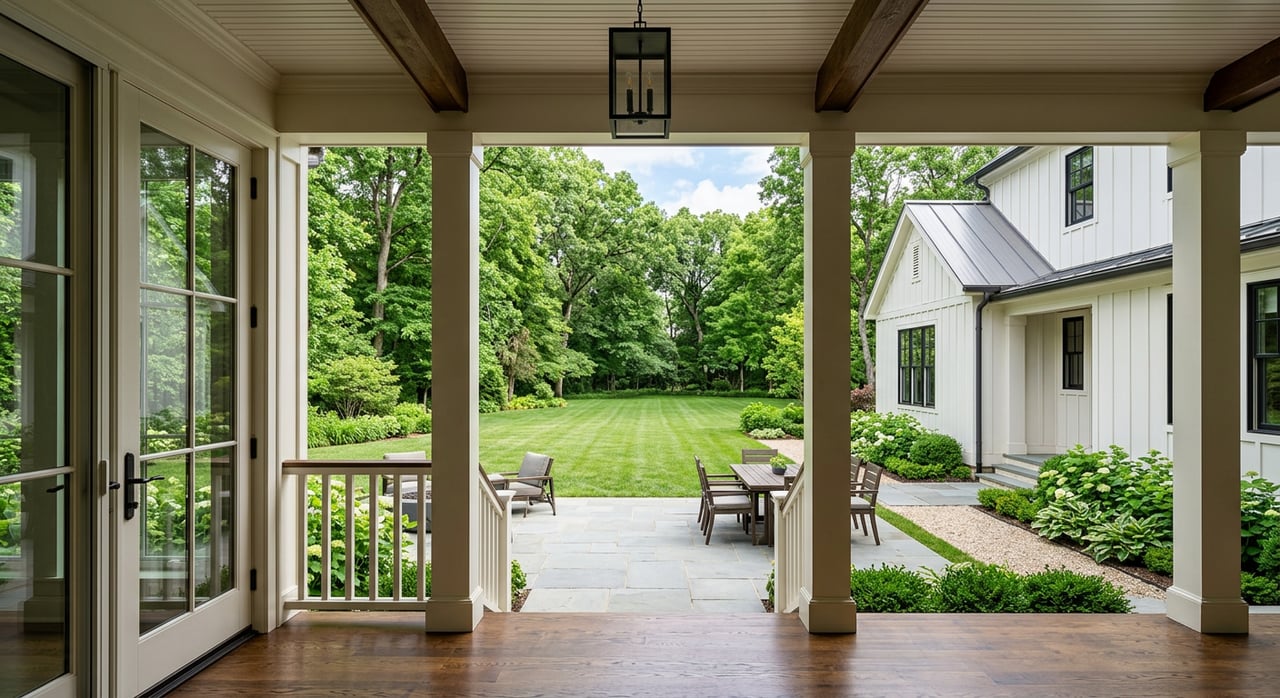
Trying to decide between an established neighborhood with tall trees and larger yards or a newer, walkable community close to shops and dining? In Alpharetta, you have great options in both directions, and the right fit depends on how you want to live day to day. This guide breaks down the key trade-offs, from lot size and amenities to walkability, HOA fees, and long-term costs. You’ll also see local examples and get a practical checklist to compare your shortlist with confidence. Let’s dive in.
Alpharetta market snapshot
Alpharetta is a premium North Atlanta suburb with strong demand. Recent snapshots show a typical home value around $708,620, a median sale price near $712,000, and a higher neighborhood-weighted median listing price around $799,900. Those differences reflect how each source measures the market and how prices vary by neighborhood type. Always use current comps for the exact subdivision and home style you are considering.
Local jobs and amenities play a big role in demand. Alpharetta is often described as the “Technology City of the South,” with more than 700 technology companies in the area. That job base, plus mixed-use destinations like Avalon and a revitalized downtown, help fuel interest in both established neighborhoods and new infill options near shopping and dining. You can learn more about the tech ecosystem from Tech Alpharetta’s overview and get a sense of Avalon’s role from the city’s Avalon guide.
What established neighborhoods offer
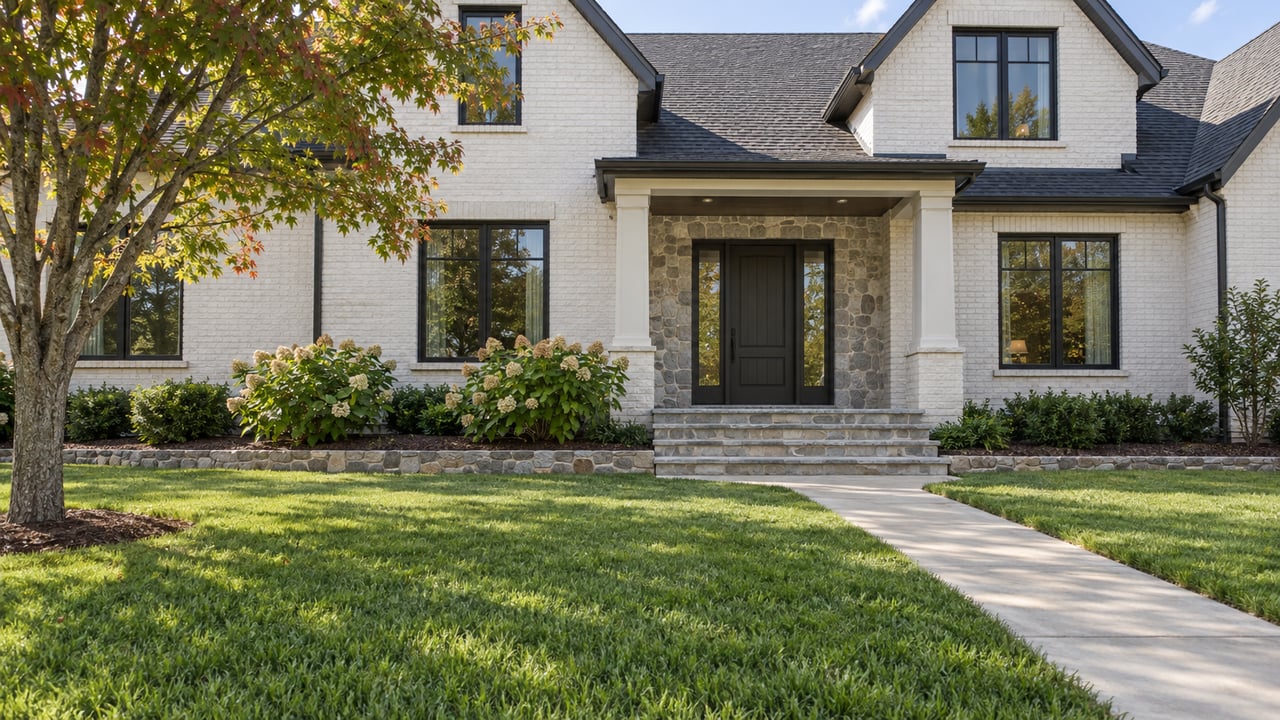
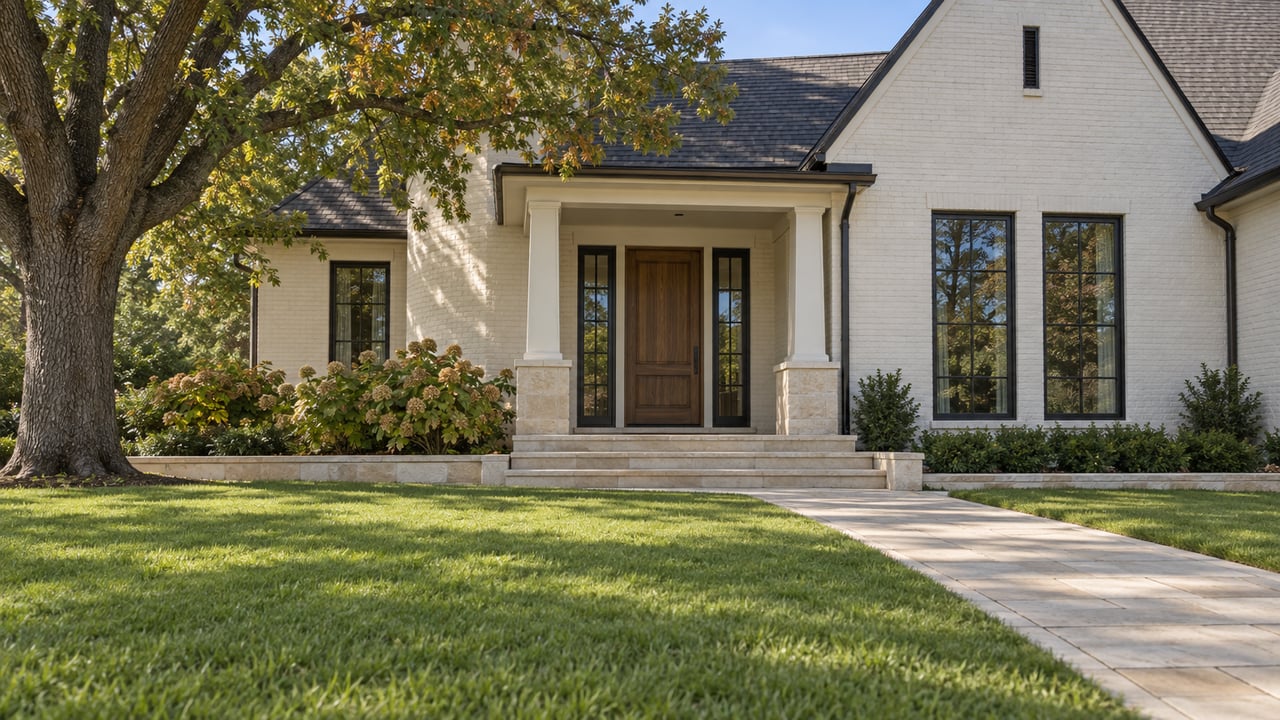
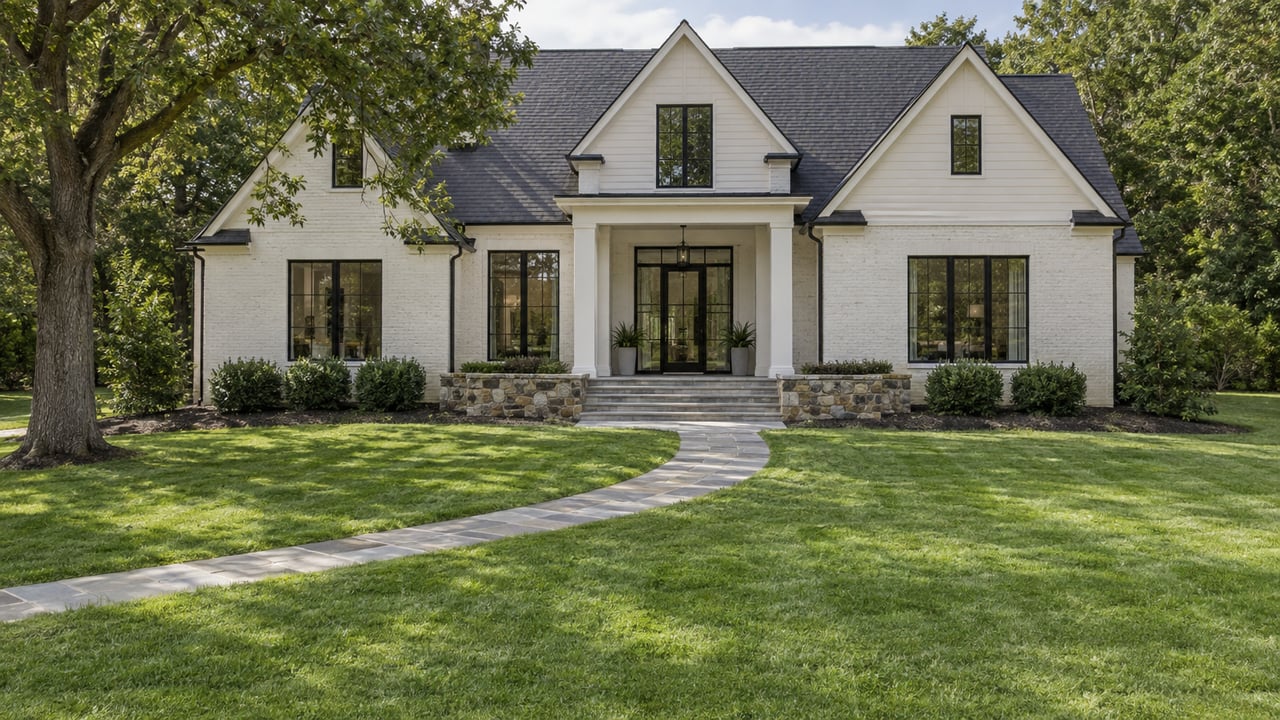
Established Alpharetta neighborhoods were largely built from the 1980s through the 2000s, with some earlier pockets. You’ll find mostly single-family homes, mature tree canopy, and a range of lot sizes. Typical parcels in many subdivisions are about 0.25 to 0.5 acre, and some estate sections or rural-adjacent areas can reach an acre or more.
Architecture varies, which adds character. You’ll see traditional two-story plans, ranch homes, and customized estate properties. Amenities are often neighborhood or club-based, such as swim and tennis, nearby parks, or optional country-club memberships rather than a single, centralized resort complex.
Established examples to know
- Windward. A long-running master-planned area known for its private lake, golf course, and sports parks along with many 0.25 to 0.5 acre lots. Homes span from mid and upper six figures into the multi-million range for estate sections.
- Crabapple and historic pockets near Milton. A village-style core with adjacent larger lots and a country feel in nearby sections, plus a small historic commercial node.
- Downtown and the Garden District. Older homes, cottages, and tasteful infill near Main Street with the strongest walkability to restaurants and events. Explore the history on the city’s historic walk overview.
Pros of established areas
- Larger lots and mature landscaping for more privacy.
- Architectural variety and neighborhood character.
- Often quieter streets and sometimes lower or optional HOA dues.
Cons of established areas
- Older systems and finishes can raise maintenance and upgrade costs.
- Fewer centralized, resort-style amenities unless tied to a club.
- Some pockets are car-dependent if you are not near downtown or Avalon.
What newer developments offer
Over the last decade, Alpharetta has added walkable mixed-use and infill communities. Many of these include townhomes, condos, and smaller-lot single-family homes designed for low maintenance and easy access to dining, retail, and trails. Expect strong amenity sets, modern floor plans, and HOA coverage for exterior upkeep and common spaces.
Newer townhome and condo footprints are compact. For example, single-level condo flats at Findley Row have been marketed in the mid $500k to $600k range, showing how newer, low-maintenance homes near retail and the Alpha Loop are priced. You can read about the product mix and pricing snapshot in this Findley Row release.
Newer examples to know
- Avalon area. A major mixed-use destination with retail, dining, offices, and nearby residential options that create day and night foot traffic. See the city’s Avalon overview.
- Braeden and other townhome communities. Walkable infill near Avalon and the Alpha Loop with resort-style pools, pocket parks, and HOA-provided services.
- Findley Row at Northwinds Summit. Boutique condo and two-story condo/townhome options with modern layouts, connected to nearby employment and amenities.
Pros of newer communities
- Low-maintenance living with HOA or condo coverage.
- Strong walkability to shops, restaurants, and entertainment.
- Modern systems, energy efficiency, and contemporary layouts.
Cons of newer communities
- Smaller private yards and less outdoor privacy.
- Required monthly HOA or condo fees.
- Often higher price per square foot for walkable townhome or condo product.
Walkability and commute differences
Alpharetta includes both very walkable cores and more car-oriented suburbs. Central addresses around downtown and Avalon score much higher on Walk Score than outlying lake or golf neighborhoods. You can explore a sample location on Walk Score’s Alpharetta page.
Trails make a big impact. The Alpha Loop and Big Creek Greenway connect major nodes like Avalon, downtown, and North Point, improving bike and pedestrian access. Browse parks, trails, and open space details on the visitor site for Alpharetta’s greenways and parks.
For commuting, proximity to GA 400 is helpful across neighborhood types. Established communities often provide larger lots within a drive of major arteries. Newer infill clusters near everyday errands, which can reduce local car trips even if your job still requires a highway commute.
Costs to compare side by side
- Property taxes. Taxes vary by parcel and depend on assessed value, exemptions, and millage rates. Use the county’s Fulton County tax estimator to preview annual costs for a specific address.
- HOA and condo fees. Newer communities typically have required monthly fees that cover landscaping, exterior maintenance, amenities, and reserves. In recent listings, many townhome HOAs fall in the low hundreds per month, but services and amounts vary by phase and builder. Established areas may have optional or lower annual dues, especially without resort-style amenities.
- Maintenance and upgrades. Older homes may need roof, HVAC, plumbing, and electrical updates sooner. Newer homes can offer builder warranties and updated systems but still require routine upkeep.
- Price per square foot. Walkable townhome and condo product often carries a higher per-square-foot price than a larger-lot single-family home farther out. Compare active listings and recent sales in each target neighborhood to keep apples-to-apples.
Which fit is right for you
Ask yourself what you value most in the next 5 to 10 years. Your priorities will guide you toward an established or newer setting.
- If you want a larger yard, mature trees, and more privacy, focus on established neighborhoods.
- If you want to walk to coffee, dinner, and events, and prefer low maintenance, lean toward newer infill.
- If you need space for multigenerational living or a home office suite, compare floor plans across both types since established homes can offer larger footprints and newer homes can offer efficient, flexible layouts.
- If monthly expenses matter, weigh HOA or condo fees against likely maintenance and upgrade costs for an older home.
A practical shortlist checklist
Use this simple process to compare top options without second-guessing.
Define non-negotiables. List must-haves for lot size, walkability, school boundaries, commute time, and monthly budget.
Pick 2 to 3 neighborhoods of each type. Compare recent sales, days on market, and price per square foot. A local agent can prepare current CMAs so you are not relying on outdated averages.
Pull key documents for each property. Use the Fulton County tax estimator for parcel taxes. Review HOA disclosures for fees, rules, and rental policies. Ask for recent HOA meeting minutes if available.
Test-drive the lifestyle. Drive at peak and off-peak times to gauge commute. Walk downtown, Avalon, or the Alpha Loop to feel actual convenience versus the Walk Score estimate.
Plan inspections and warranties. For older homes, schedule expanded inspections for roof, HVAC, plumbing, electrical, termite, and foundation. For new builds, confirm builder warranties and community completion timelines.
Schools, boundaries, and due diligence
Public school zones influence demand and pricing in Alpharetta. Attendance boundaries can change by parcel and over time. Confirm current assignments directly with the district and review private or charter options if they are part of your plan. Use neutral, address-specific verification during your home search.
Flood, insurance, and site checks
Flood exposure is parcel-specific. Before you make an offer, review flood maps and speak with your insurance advisor about potential requirements and premiums. FEMA’s Map Service Center resources, including this official guidance, can help you understand how to evaluate a location’s risk.
The bottom line
Established neighborhoods in Alpharetta deliver space, privacy, and character. Newer communities offer walkability, amenities, and low maintenance. The right choice depends on how you want to live, your budget, and the trade-offs you are willing to make. A clear checklist and current, neighborhood-level data will keep you focused on the best fit.
Ready to compare neighborhoods with tailored comps, off-market intel, and a structured plan? Schedule a Free Consultation with Christi Key and The Key Group to find your ideal Alpharetta match.
FAQs
What are typical home prices in Alpharetta in 2026?
- Recent snapshots show a typical value near $708,620, a median sale price around $712,000, and a higher listing median near $799,900; verify current comps for your target neighborhood before you buy.
How do HOA or condo fees factor into newer Alpharetta communities?
- Many newer townhome and condo communities charge monthly fees in the low to several hundreds that cover exterior upkeep and amenities, so include those costs when comparing against a lower-dues established area.
Where is walkability strongest in Alpharetta?
- Downtown Alpharetta and the Avalon area offer the highest walkability, supported by the Alpha Loop and Big Creek Greenway; check a specific address on Walk Score for a quick read.
How do property taxes work in Alpharetta and Fulton County?
- Taxes depend on assessed value, exemptions, and millage rates across city, county, and schools; preview parcel-level estimates using the county’s tax estimator tool.
Do I need flood insurance on Alpharetta homes?
- It depends on the parcel; review FEMA maps and talk with your insurer about requirements and premiums, using FEMA’s official guidance as a starting point.
Is a newer, walkable townhome better for commuting than an older single-family home?
- Not always; both benefit from GA 400 access, but newer infill can cut local car trips for errands while an established single-family may offer more space and privacy if your commute is primarily by highway.