If you are thinking about buying a rental home in Woodstock, you are probably asking the right question first: does this market work better for steady long-term value or for strong monthly cash flow? In many cases, Woodstock leans toward stability, neighborhood appeal, and long-range upside rather than bargain-priced returns. That can still make it a smart place to invest if your strategy fits the market. Let’s dive in.
Why Woodstock Stands Out
Woodstock has grown into a notable North Atlanta suburb with both buyer and renter appeal. According to U.S. Census QuickFacts for Woodstock, the city’s 2024 population estimate was 39,381, up 12.2% from 2020. The same source reports a median household income of $103,496, an owner-occupied housing rate of 64.0%, a median owner-occupied home value of $436,500, and a median gross rent of $1,821.
That combination matters if you are evaluating single-family homes as an investment. It points to a market with a solid base of owner-occupants, an established renter pool, and pricing that may support long-term appreciation more than immediate high-yield performance.
What Single-Family Inventory Looks Like
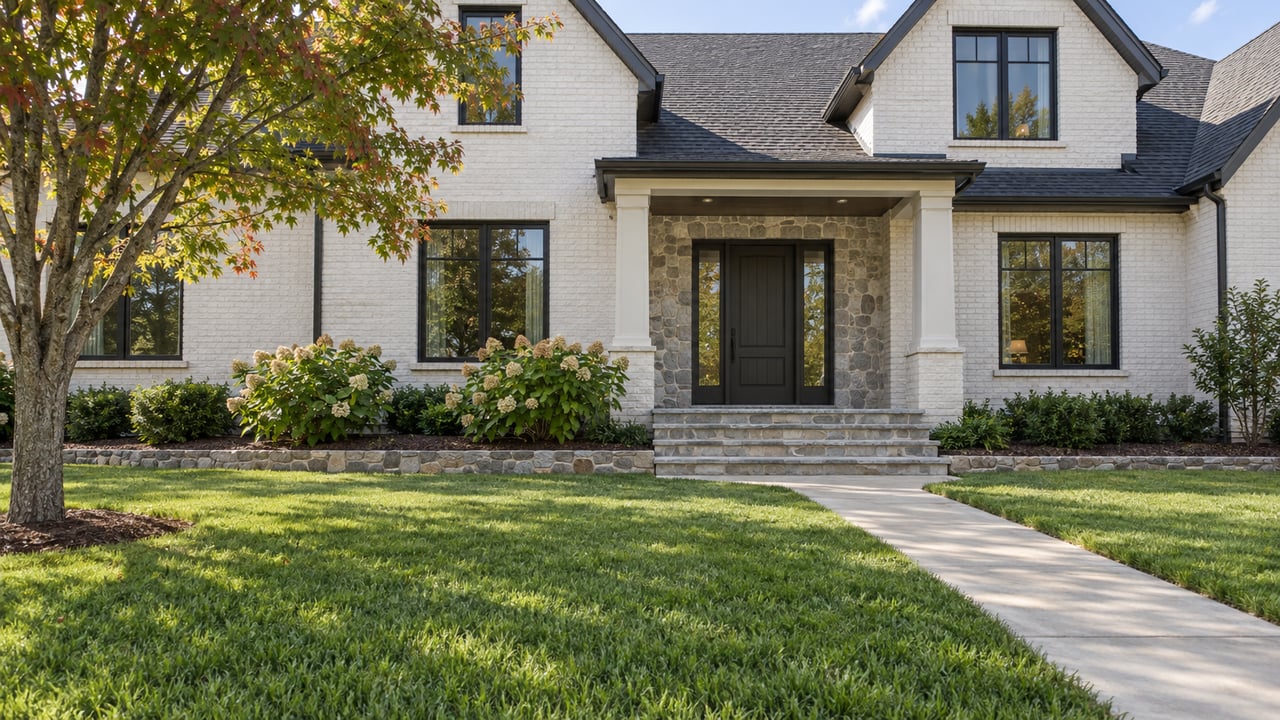
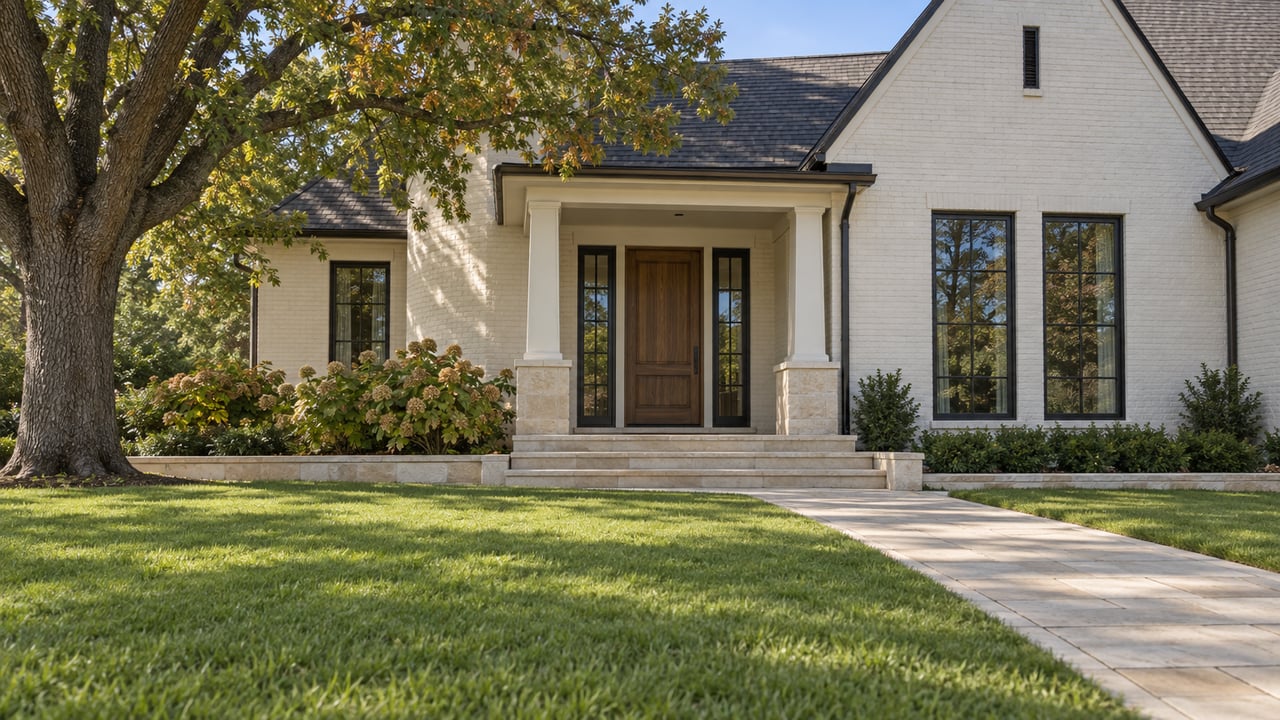
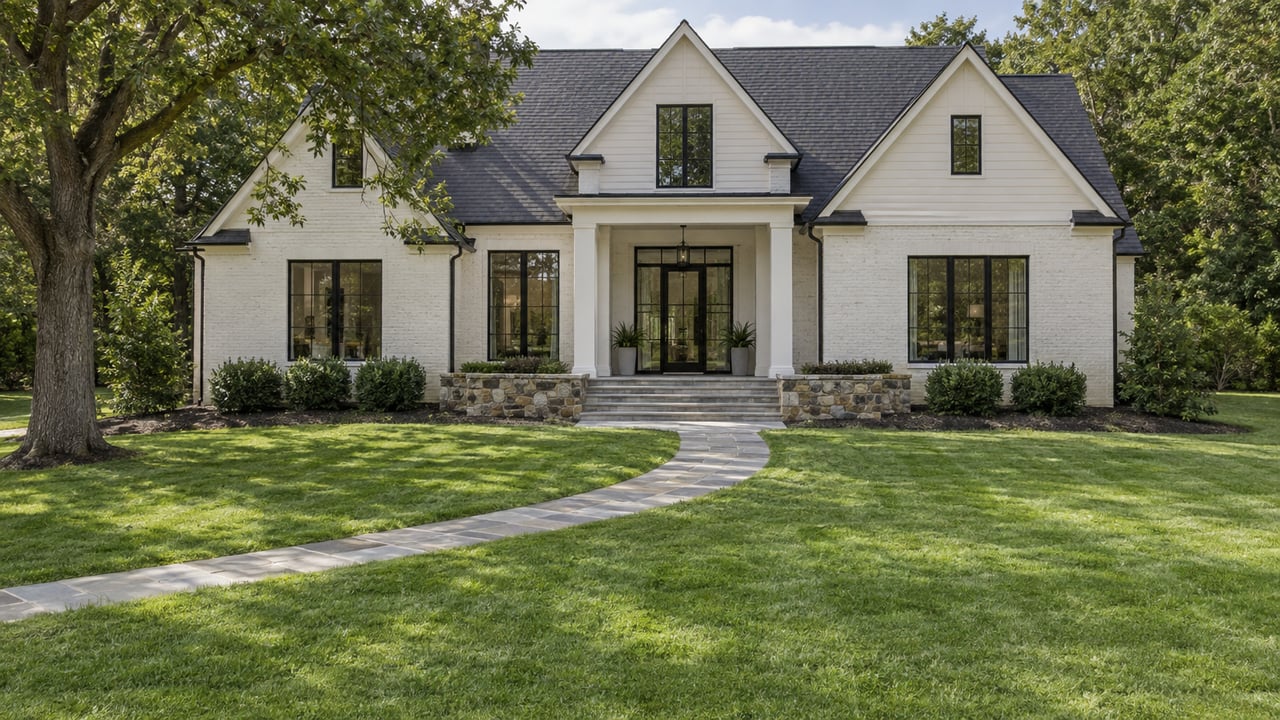
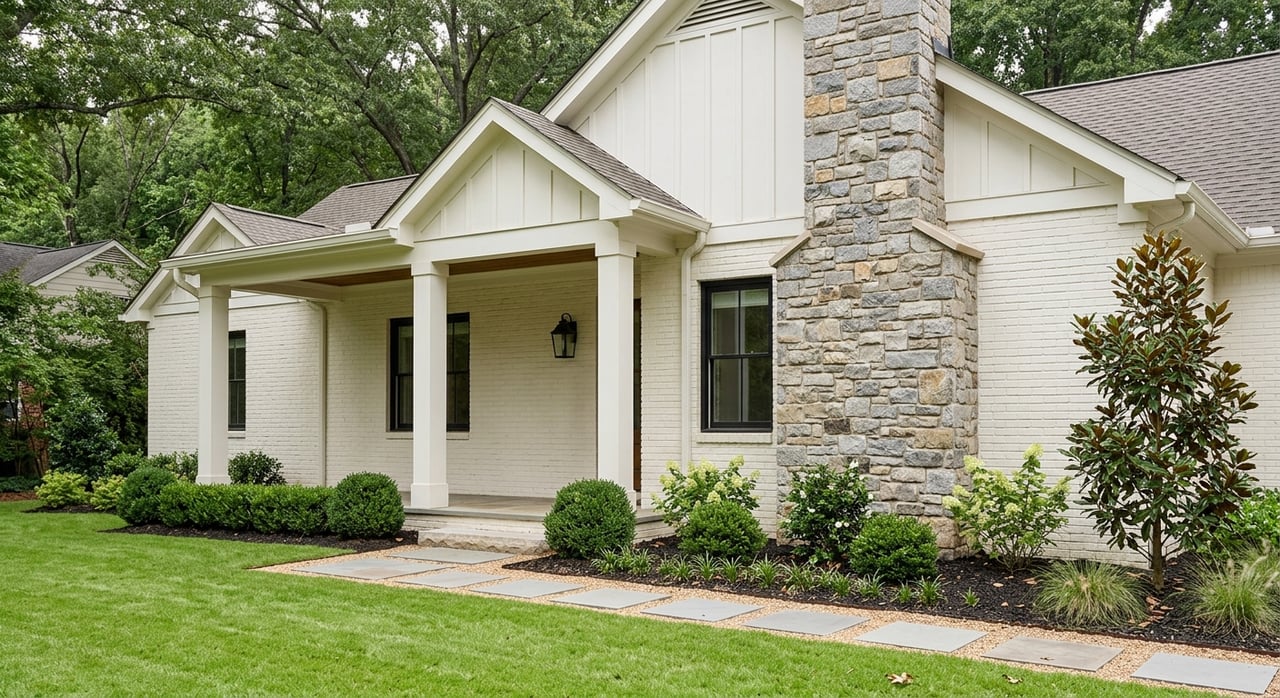
In Woodstock, the most common single-family investment option is typically a detached home in a subdivision. The city’s zoning legend includes R-1 and R-2 single-family residential districts, along with higher-density categories like R-3, R-4, PUD, and townhome residential.
Based on the city’s development and zoning structure, investors will often find opportunities in established neighborhoods, newer subdivision communities, and some infill areas closer to downtown. This does not replace parcel-level research, but it does help you understand the broad shape of the local housing stock before you narrow your search.
Woodstock Demand Drivers Matter
A single-family rental performs best when it appeals to a wide range of future tenants and future buyers. Woodstock has several local demand drivers that support that kind of broad appeal.
Parks and trails support lifestyle appeal
Woodstock’s parks and recreation department describes the city as a community centered on healthy living, quality of life, recreation, and entertainment. The city’s Greenprints network is described as more than 60 miles of trails and open space connecting parks, shopping, downtown, and neighborhoods.
For you as an investor, that matters because lifestyle amenities can help a home stay attractive over time. Properties near well-used parks, trails, and connected community spaces may appeal to renters who want more than just a place to sleep between workdays.
Downtown creates recurring activity
Downtown Woodstock is a real local activity center, not just a nice-looking district on a map. The Northside Hospital-Cherokee Amphitheater can host more than 5,000 people, and the city reports that the 2023 Summer Concert Series averaged 8,966 attendees per show. The same report notes that the July 4th Spectacular drew an estimated 12,600 people, while the Christmas Jubilee brought another 3,000 visitors to The Park at City Center.
That type of recurring foot traffic can support neighborhood desirability, leasing interest, and resale visibility. If you are comparing homes in different parts of Woodstock, access to downtown amenities may be worth weighing alongside price and condition.
Local school presence adds depth to demand
Woodstock also has a broad public school footprint. The Cherokee County School District school directory lists multiple local campuses, including Woodstock Elementary, Johnston Elementary, Little River Elementary, Mountain Road Elementary, Woodstock Middle, Etowah High, River Ridge High, and Woodstock High.
Without getting into ratings or subjective claims, the presence of multiple nearby schools is still meaningful. For many households looking at single-family rentals, proximity to everyday community infrastructure can influence search behavior and long-term housing decisions.
What Investors Should Know About Returns
One of the most important takeaways in Woodstock is that this is usually not a bargain cash-flow market. With a median owner-occupied home value of $436,500 and a median gross rent of $1,821, the Census data suggests you should be conservative when projecting monthly returns.
That does not mean Woodstock is a poor investment market. It means the stronger case is often built around durable occupancy, a deeper tenant pool, neighborhood stability, and long-term suburban appreciation rather than a wide rent-to-price spread.
If your goal is maximum cash-on-cash return on day one, Woodstock may feel tight. If your goal is to hold a well-located home in a growing suburb with strong lifestyle fundamentals, the market may be a better fit.
How to Evaluate Single-Family Options
Not every house in Woodstock will make sense as an investment. A smart buy usually comes down to matching the property to the market’s actual strengths.
Focus on livability first
In an amenity-led suburban market, livability matters. Floor plan, yard usability, parking, storage, and day-to-day convenience can affect rental demand just as much as cosmetic updates.
As you compare homes, think about what will still matter to a future tenant or resale buyer in three to seven years. A functional layout in a well-connected area may outperform a flashier house with tradeoffs that limit the audience.
Compare established and newer subdivisions
Established subdivisions may offer larger lots, mature trees, and proven neighborhood patterns. Newer communities may provide more current layouts and lower near-term renovation needs.
Neither option is automatically better. The right choice depends on your budget, maintenance expectations, and whether you are prioritizing easier turnover, stronger resale presentation, or the chance to add value through improvements.
Underwrite maintenance honestly
Woodstock appears to be a community that values upkeep and appearance. The city’s parks maintenance program plan emphasizes routine inspections, cleanup, work-order tracking, greenspace preservation, and trail connectivity.
While that plan applies to city operations, it still reflects a broader local standard around presentation and maintenance. For a single-family investor, that usually means budgeting carefully for lawn care, seasonal service, repair response, and quick turnover work so the home stays competitive against nearby owner-occupied properties.
A Practical Woodstock Investment Strategy
For many buyers, the clearest strategy in Woodstock is to treat single-family homes as a long-term suburban hold. That approach aligns with the city’s growth, amenity base, and household profile.
A practical framework may include:
- Targeting detached homes with broad rental appeal
- Prioritizing neighborhoods with convenient access to trails, parks, shopping, or downtown Woodstock
- Stress-testing numbers with conservative rent assumptions
- Reserving cash for maintenance, turnover, and updates
- Evaluating resale potential before you buy, not after
This type of strategy can be especially useful if you want an asset that may serve you in more than one way over time. For example, some buyers look for a home that works as a rental now and may also be attractive for a later resale, relocation plan, or house-hack exit.
Is Woodstock Right for Your Investment Goals?
Woodstock can make sense if you are looking for a market with growth, community amenities, and a strong suburban identity. It may be less compelling if you are strictly searching for the lowest entry price or the widest immediate spread between rent and purchase cost.
In other words, this is often a market where quality of location and quality of asset matter a great deal. Buying the right house in the right part of Woodstock can be more important than simply buying the cheapest available property.
If you want help comparing investment-friendly single-family options in Woodstock and the broader North Atlanta suburbs, Christi Key can help you evaluate neighborhoods, property fit, and long-term resale potential with a practical, data-informed approach.
FAQs
What makes Woodstock different from a pure cash-flow market?
- Woodstock appears to be more of a stability-and-appreciation market, with Census figures showing a $436,500 median owner-occupied home value and a $1,821 median gross rent, which suggests investors should use conservative cash-flow assumptions.
What types of single-family homes are common in Woodstock?
- Based on the city’s zoning and development framework, common options include detached homes in established and newer subdivisions, along with some infill opportunities in mixed-density areas closer to downtown.
Why do parks and trails matter for Woodstock rentals?
- Woodstock’s parks and trail network helps support lifestyle appeal, which can widen the potential tenant pool and strengthen long-term neighborhood desirability.
Does downtown Woodstock affect investment value?
- Downtown activity can matter because recurring events, visitor traffic, and entertainment amenities may support leasing interest and future resale appeal in nearby areas.
How should you budget for a Woodstock single-family rental?
- It is wise to underwrite conservatively and include room for lawn care, seasonal maintenance, prompt repairs, and turnover work so the property stays competitive in a community that appears to value upkeep and presentation.