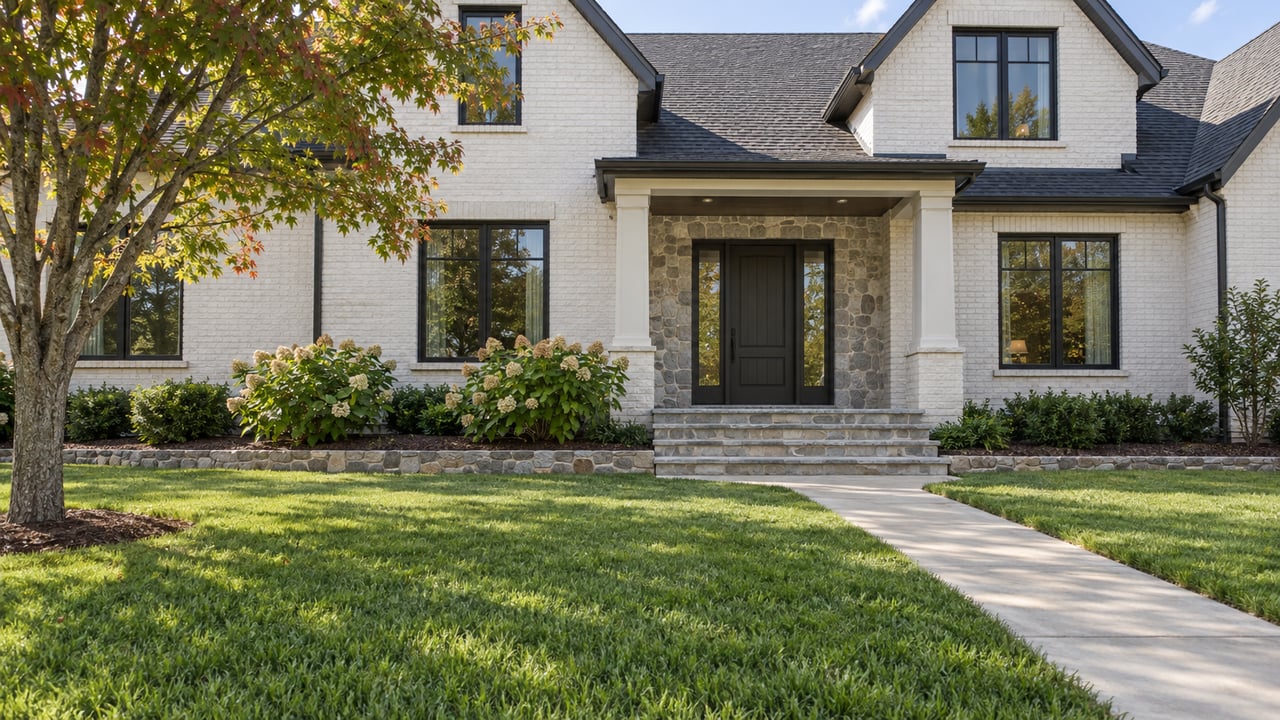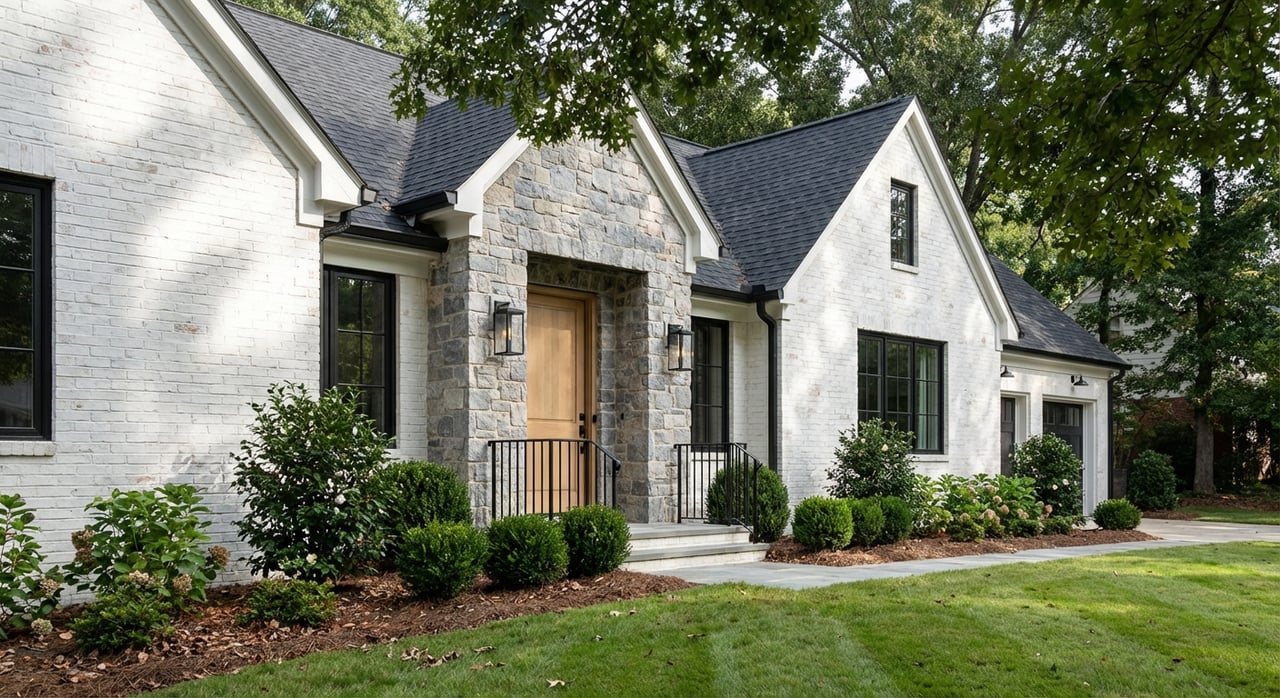
Outgrowing your East Cobb home can sneak up on you. Maybe you need one more bedroom, a real home office, or a backyard that fits both a swing set and a grill. If you’re wondering whether now is the moment to move up, you’re not alone. In this guide, you’ll learn how the 2026 market looks in East Cobb, what signals say it’s time, and practical ways to sell and buy with less stress. Let’s dive in.
What “East Cobb” means here
Locals use “East Cobb” to describe unincorporated areas of Cobb County that generally include ZIP codes 30062, 30066, 30067, 30068 and portions of 30075, plus several well-known school zones. Because maps and data sets vary, different sites report different market stats for the same area. For neighborhood context and commonly referenced school zones, use this concise local overview of East Cobb’s geography and schools from EastCobb.com.
East Cobb market snapshot for early 2026
Here’s the quick take based on recent public snapshots and local reports:
- Median prices vary by source and time window. A January 2026 monthly snapshot shows a median sale price near the high $400s and about 57 days on market, while a 12‑month neighborhood view puts the median closer to the low–mid $600s with roughly 1.4–1.6 months of supply. The gap comes from different boundaries, timeframes and property types included.
- Inventory has risen from pandemic lows, and days on market are longer than the peak frenzy years. Well-priced, move-in ready homes in sought-after school zones still tend to sell faster than average.
- Mortgage rates matter for what you can afford. The 30‑year fixed averaged about 6.09% the week of Feb 12, 2026, according to Freddie Mac’s benchmark survey, which is lower than the 2022–2023 peaks and can improve monthly payment math for many buyers. See the latest rate trend in this national mortgage rate update.
Bottom line: Price smart, prep well, and expect selective competition. If you want a precise read on your home’s value, ask for a CMA that matches your subdivision and school zone boundaries.
Is it time to move up? A simple framework
Moving up is part life decision, part numbers, part timing. Use these three lenses.
Personal signals to trust
- You’ve outgrown your current bedrooms, bathrooms, storage or yard.
- The floor plan no longer works and is costly to fix, like needing a main-floor bedroom or better work-from-home setup.
- A life change is here or coming soon, such as a new child, multigenerational living, a commute shift, or a priority to align with specific school zones.
Financial readiness checks
- Estimate your equity. Market value minus your mortgage payoff equals rough equity. For accuracy, use a local CMA instead of an automated estimate when you’re making plans.
- Forecast net proceeds. A quick illustration: if your home sells for $650,000 and you budget a 5–6% commission plus typical seller closing items, your total selling costs may land roughly 6–10% of the sale price depending on concessions and fees. Example math: $650,000 sale price; 6% commission = $39,000; other closing/title/transfer fees ≈ $8,000; estimated net before mortgage ≈ $603,000. Then subtract your mortgage payoff and any liens to estimate cash available for your next down payment.
- Know tax and fee basics. Many owners can exclude up to $250,000 of gain ($500,000 if married filing jointly) on the sale of a primary home if they meet the 2‑of‑5‑year tests. Review the rules in IRS Publication 523. Georgia also assesses deed transfer tax and an intangible recording tax on new mortgages. Your closing attorney can confirm who typically pays what, but you can read the state’s transfer and intangible tax rules.
- Plan for cash flow and reserves. If you buy before you sell, lenders may require reserves and the ability to carry two payments briefly. Options like a HELOC, bridge financing, or buy‑before‑sell programs can help but come with costs and underwriting rules. Get familiar with HELOC pros and cons in this practical overview.
Market signals and timing
- Inventory and days on market have eased from the peak seller’s market, so pricing and presentation matter more.
- Seasonally, late spring often delivers stronger buyer activity. National studies point to mid‑April as a frequent sweet spot. Your ideal week will still depend on your price point and neighborhood competition.
How to buy and sell at the same time
There is no one-size approach. Pick the path that fits your finances, risk tolerance and timing.
Your main options
- Sell first, then buy. You lock in your proceeds and avoid carrying two mortgages. You may need temporary housing or a leaseback while you shop.
- Buy first, then sell. Great if you’ve found the right property and want to avoid a double move. This often uses a HELOC, bridge loan, or a buy‑before‑sell product. Expect higher short-term costs and stricter lender requirements.
- Make a contingent offer. This can work if your target price range has more inventory and less competition. It is less competitive in hotter niches.
Timing tools that help
- Concurrent or same‑day closings. With careful coordination, your sale can fund your purchase on the same day. Build in buffers for wire cutoffs and closing schedules.
- Post‑closing occupancy (leaseback). Negotiate a short rent‑back so you can move into your next home without a rush. Put terms in writing, including daily rent and insurance.
Prep your East Cobb home to maximize net
Small, high‑impact projects and strong presentation usually deliver the best return. The Cost vs. Value research consistently shows that exterior refreshes and modest updates tend to recoup a higher share than major additions. Explore typical ROI patterns in the latest Cost vs. Value report.
Focus your effort here:
- Curb appeal. Fresh mulch, trimmed shrubs, a clean entry and a new or refreshed front door.
- Paint and lighting. Neutral paint with updated bulbs and fixtures brightens listing photos.
- Repairs and maintenance. Fix obvious items that can scare buyers off inspections.
- Staging and photography. Professionally staged, move‑in ready homes attract more showings and better offers.
What move‑up buyers choose in East Cobb
East Cobb offers mostly single‑family homes, from 1960s classics to newer builds, plus several country club and estate neighborhoods. Indian Hills Country Club often shows mid‑$600s to $800k median snapshots depending on the period and data source, with higher prices for renovated or new construction homes. Because neighborhood boundaries and school zones can meaningfully change value, confirm the exact school assignment for any address using local school zone resources, then compare closed sales inside the same subdivision.
Your 7‑step move‑up plan
Request a local CMA using your exact subdivision and school zone boundaries. Ask for an as‑is price and a “light refresh” price.
Pull your numbers. Get a current mortgage payoff and gather your latest property tax and HOA statements. If you plan to change your primary residence, review Cobb County’s homestead exemption info.
Draft a net proceeds estimate. Start with a realistic sale price and subtract your estimated commission, closing costs and mortgage payoff. Keep a cushion for concessions or repairs.
Compare renovate vs. move math. Use the Cost vs. Value report to prioritize updates if you are considering staying longer.
Talk to two lenders. Ask about your purchase budget at today’s rate, what it looks like if rates shift, and which options you qualify for, including HELOCs or a bridge. For context, see the latest mortgage rate benchmark.
If buying first, write your exit plan. Set a target sale timeline, reserve buffer and break‑even on carrying costs.
Set your list date and prep plan. Time your launch to local demand, and front‑load curb appeal, light updates, staging and pro photography.
Ready to explore your options with a tailored plan for East Cobb? Connect with Christi Key for a free, local CMA, a custom net sheet and a step‑by‑step strategy to sell and buy with confidence.
FAQs
What does “East Cobb” include and why do price medians differ?
- East Cobb commonly refers to unincorporated Cobb County areas in ZIPs 30062, 30066, 30067, 30068 and parts of 30075. Public sites use different borders and time windows, so medians vary. Always compare comps inside your exact subdivision and school zone.
How do I estimate my net proceeds when selling in East Cobb?
- Start with your expected sale price, subtract your agent commission and typical seller closing costs, then subtract your mortgage payoff and any liens. Many sellers budget a total of about 6–10% of the sale price for commissions and closing items, but your numbers will depend on concessions, fees and negotiations.
What taxes or rules should I know before I sell my primary home?
- Many owners can exclude up to $250,000 of gain ($500,000 married filing jointly) if they meet the 2‑of‑5‑year tests. Review eligibility in IRS Publication 523. Georgia also applies deed transfer and intangible recording taxes. See state formulas and guidance here.
Should I renovate or just list my current home?
- If your layout fundamentally does not work, moving often beats a major remodel. If you stay, small exterior upgrades and modest interior refreshes tend to recoup a higher share than big additions. Check likely returns by project in the Cost vs. Value report.
Is spring still the best time to list in East Cobb?
- Spring typically brings more buyers, and national studies often point to mid‑April as a strong window. The best week for you depends on your price point, competition and how well your home is prepped. A local CMA and prep plan will help pinpoint timing.