Thinking about adding an accessory dwelling unit to your Inside the Perimeter lot but not sure what is actually possible? You are not alone. Between zoning, site constraints, and permits, ADUs in Atlanta can feel complex fast. In this guide, you will learn what affects feasibility on R‑4, R‑4A, and R‑5 lots, the tradeoffs between attached and detached designs, and a practical path from idea to permit. Let’s dive in.
What drives ADU feasibility ITP
Zoning vs. building code
Two rule sets shape your project. Zoning controls where an ADU can sit on your lot, how large and tall it can be, parking, and whether it is allowed as an accessory use. The building code governs how it must be built, including fire separation, egress, and mechanical and utility standards. You will need both to align before a permit is issued.
Typical ITP site realities
Inside I‑285, many lots are smaller, irregular, tree‑filled, or sloped. Some have alleys and older utilities. These conditions affect where you can place an ADU, how big it can be, and what it will cost. Historic districts and conservation overlays can add design review requirements that affect massing, materials, and visibility from the street.
ADU types and tradeoffs
Internal conversions and attached ADUs
Internal conversions, such as a basement or attic suite, and attached rear additions usually cost less per square foot. They tap into existing structure and systems, which keeps site disturbance and new utility work lower. They also tend to blend with the main home and may face less height or massing scrutiny. The tradeoff is less separation for a renter and more disruption to your primary home during construction.
Detached cottages and garage ADUs
Detached backyard cottages or a garage with an ADU above offer clearer privacy and rental flexibility. They create a more independent unit that can be attractive to long‑term tenants. That said, you should plan for a separate foundation, new utility runs, and more site work, which usually raises costs. If you have alley access, a compact garage‑plus‑ADU can use space efficiently while keeping parking off the street.
Siting, height, and massing basics
Setbacks, separation, and privacy
Your zoning district sets required side and rear setbacks for accessory structures, and minimum separation from the main house. Keep windows and outdoor areas oriented to reduce overlooking into neighbors’ primary living spaces. Consider high windows, screening, or narrow balconies to protect privacy while still bringing in daylight.
Height and roof strategies
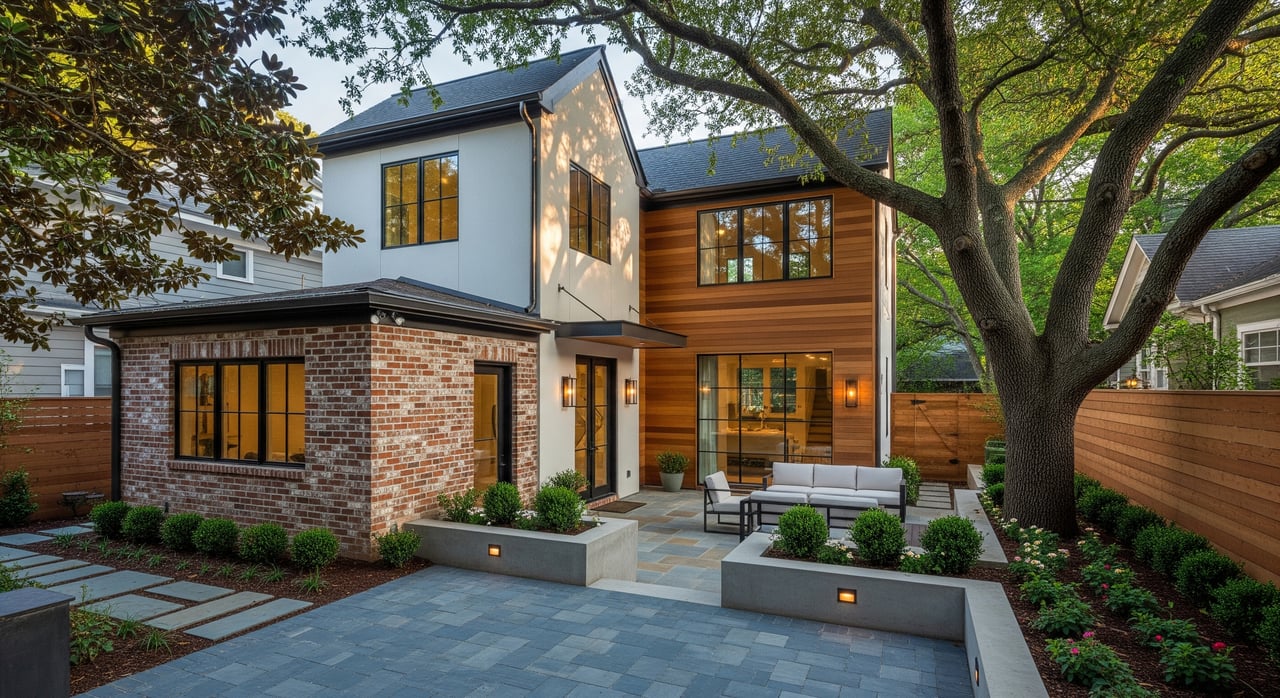
Many rules expect accessory buildings to remain subordinate to the main home. Common solutions include one‑story cottages or two‑story forms with stepbacks and reduced upper‑level mass. Matching roof pitch, eaves, and window proportions helps the ADU feel compatible without overwhelming the yard.
Parking, utilities, and trees
Check whether your zoning district requires an extra parking space for the ADU and if on‑street parking can count. Plan early for water, sewer, electric, and gas routing, and whether separate meters make sense for billing. Mature trees are protected, so place the ADU to minimize removals and mitigation costs, and include tree protection in your site plan.
Attached vs. detached: which fits your goals
If you want lower costs and simpler utility tie‑ins, an attached rear addition or internal conversion is often the smoothest path. If rental privacy and marketability matter most, a detached cottage or alley carriage house can be worth the added site work and review. Narrow lots often favor attached options, while lots with alley access are strong candidates for a garage‑plus‑ADU.
Approvals and timeline in Atlanta
Feasibility to survey and design
Start by confirming your parcel’s zoning, overlays, setbacks, lot coverage limits, and parking rules. Order a boundary or ALTA survey that maps structures, easements, trees, and slopes. Verify sewer availability and whether any neighborhood rules or historic guidelines apply. With that in hand, a designer can draft a site plan and schematic ADU layout.
Zoning, variances, and historic review
If your concept exceeds limits for height, setbacks, lot coverage, or parking, you may need a variance or special exception. Properties in a local historic district will require a Certificate of Appropriateness and can expect design iterations. Build extra time into your plan if either applies.
Permits, inspections, and occupancy
Submit architectural, structural, mechanical, plumbing, and electrical drawings with your site plan to the Office of Buildings. Utility companies may require separate service applications. Expect staged inspections through construction. After final approval, the City issues a Certificate of Occupancy or Completion so you can legally use the unit.
Typical timelines to budget
- Pre‑design and feasibility: about 2 to 6 weeks.
- Design and civil engineering: about 4 to 12+ weeks based on complexity.
- Variances or historic review: about 2 to 4 months, longer if contested.
- Permit review: about 4 to 12+ weeks depending on completeness and backlog.
- Construction: about 3 to 6 months for a small attached ADU, and about 4 to 9 months for a detached cottage or garage‑plus‑ADU.
Cost drivers, rental potential, and ROI
Where costs typically land
Attached ADUs and conversions tend to be the most cost‑efficient because they reuse structure and systems and involve less site work. Detached new builds often cost more per square foot due to foundations, separate utilities, and stormwater or landscaping work. Garage conversions sit in the middle, depending on structural upgrades and utility access.
Renting your ADU
Inside the Perimeter, rental demand is generally strong because of proximity to jobs, transit, and amenities. If you plan to rent, confirm owner‑occupancy rules, ADU rental limits, and short‑term rental registration and tax requirements with the City. Also review insurance needs and potential property tax impacts with the county and your advisors.
What affects ROI
Your return depends on local rents, occupancy, construction costs, and how you plan to use the unit. Long‑term rentals can provide steady income, while an ADU for multigenerational living or guests adds flexibility and may improve resale appeal. Get contractor estimates and analyze comparable rentals in your neighborhood to refine projections.
Your step‑by‑step checklist
- Request a zoning confirmation for your parcel, including overlays and accessory use allowances.
- Order a boundary or ALTA survey showing structures, easements, trees, slopes, and impervious areas.
- Confirm sewer connection location and capacity, or septic requirements if applicable.
- Ask whether your property lies in a local historic district and what review applies.
- Hire an architect or ADU‑experienced designer for schematic plans and a site plan.
- Engage a civil engineer if grading, retaining walls, stormwater control, or new utility runs are needed.
- Obtain 2 to 3 contractor estimates and carry a 10 to 20 percent contingency.
- Schedule a pre‑application meeting with Planning or Building staff if available.
- Prepare variance or special exception applications if your design exceeds limits.
- Decide on shared versus separate utility meters and start service applications early.
- Review insurance and tax implications with your advisors.
Common pitfalls and smart fixes
- Starting design without a survey. Fix it by mapping setbacks, trees, and easements first.
- Overlooking tree and stormwater rules. Place the ADU on previously disturbed areas and plan mitigation early.
- Assuming parking is optional. Confirm requirements, and consider alley solutions or tandem parking if a space is required.
- Designing a detached unit that dominates the yard. Use stepbacks, compatible roof forms, and landscaped buffers to keep it subordinate.
Ready to explore your lot?
If an ADU could help your household or investment goals, the next step is a quick feasibility conversation and a plan for survey and schematic design. You bring the vision, and we can connect you with the right local pros to move from idea to permit with confidence. Schedule a Free Consultation with Unknown Company to get started.
FAQs
Can I rent an ADU on my ITP lot in Atlanta?
- Rental is commonly permitted, but you should confirm ADU rules, any owner‑occupancy requirements, and short‑term rental registration and tax regulations with the City before counting on rental income.
Is a detached ADU always more expensive than an attached one?
- Generally yes. Detached units usually need a new foundation, separate utilities, and more site work, while attached conversions can reuse existing structure and systems.
Will my ADU need a separate address or utility meters?
- Addressing and meters vary by jurisdiction and utility provider. Separate meters are often optional and helpful for billing, but you should confirm requirements with the City and utilities.
What triggers a variance for an ADU in Atlanta?
- Exceeding limits such as setbacks, height, lot coverage, or parking, or conflicting with overlay or district rules, can trigger a variance or special exception.
How do historic districts affect ADU design and approvals?
- Historic districts usually require design review and a Certificate of Appropriateness. They can limit visibility, materials, roof forms, and massing, and they may extend the review timeline.