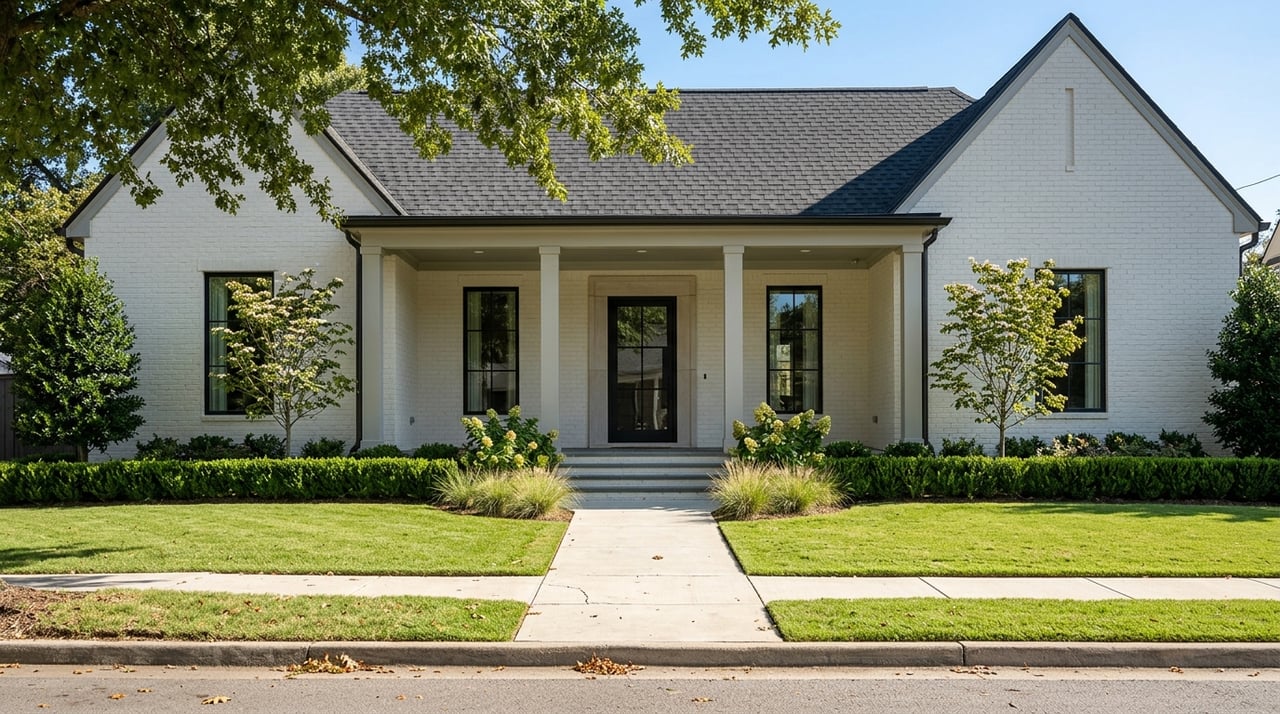
Buying a home in East Cobb moves fast. The moment your offer is accepted, the due diligence clock starts ticking, and every day matters. If you understand how Georgia’s due diligence works, you can protect your money, make smart requests, and close with confidence. In this guide, you’ll learn what the due diligence period is, how the due diligence fee differs from earnest money, which contingencies to track, and what timelines look like for East Cobb buyers. Let’s dive in.
Georgia due diligence basics
In Georgia, your purchase contract typically includes a negotiated due diligence period. During this window, you have the right to inspect the home and can terminate for any reason by sending written notice before the deadline. If you miss the deadline, that broad termination right usually expires.
You will likely see two different payments in your contract. The first is the due diligence fee, which is paid directly to the seller at contract signing or as stated in the agreement. The second is earnest money, which goes into an escrow account and is held until closing or release under the contract.
The due diligence fee is usually non-refundable if you terminate during the due diligence period, although it is commonly credited back to you at closing if the sale proceeds. Earnest money is typically refundable if you terminate properly under a valid contingency within the set timelines. Your signed contract controls the requirements, notices, and deadlines.
Earnest money vs due diligence fee
Earnest money
Earnest money shows the seller you are serious. A common reference point is about 1 percent of the purchase price, though amounts vary by market conditions and price point. In East Cobb, amounts are often set to keep your offer competitive, and your agent will recommend a strategy based on the home and activity level. Earnest money is held in escrow and applied at closing unless the contract says otherwise.
Due diligence fee
The due diligence fee is negotiated and paid to the seller in exchange for your right to inspect and decide. It is often a flat amount or scales with price, commonly ranging from a few hundred to several thousand dollars, and it is frequently credited to you at closing if you move forward. In competitive situations, sellers may ask for a higher fee to offset the time their home is off the market.
When funds are due
Your contract sets the deadlines for delivering both the due diligence fee and earnest money. Earnest money delivery is often due within a few business days after acceptance, and the due diligence fee is commonly due at signing or as specified. Deliver funds promptly and keep written confirmation of receipt.
What to do during due diligence
Inspections
Schedule a general home inspection immediately, then add specialists if needed, such as roof, HVAC, sewer scope, radon, mold, septic, or well. Your inspector’s report usually arrives within a couple of days, which gives you time to review it, ask questions, and decide on repair requests or credits. If you choose to terminate based on findings, you must deliver written notice before the due diligence deadline.
Financing and appraisal
If you are financing, submit your loan application promptly and track your lender’s milestones. Your lender typically orders the appraisal, and turn times often run 7 to 14 days depending on availability. If the appraisal comes in below the contract price and an appraisal contingency applies, you may renegotiate, bring cash to cover the difference, or terminate within the contract’s appraisal timeline.
Title, HOA, and special property checks
Plan time to review the title commitment and any HOA documents. Raise objections or questions by the deadlines defined in your contract. For certain loan types, like VA, a wood-destroying organism inspection may be required. For homes with septic systems or wells, allow time to schedule those specialized inspections.
Typical East Cobb timelines
A common due diligence range is 7 to 14 days, although you may see anywhere from 3 to 21 days depending on the home and competition. Here is a realistic snapshot of a 10-day due diligence period:
- Day 0: Contract becomes effective, all deadlines begin.
- Days 0 to 3: Deliver earnest money to the named escrow holder. Schedule general and specialist inspections.
- Day 3 or 4: General inspection occurs. Schedule any follow-up specialists immediately.
- Days 4 to 6: Receive inspection report, review with your agent, and decide on requests or next steps.
- Days 6 to 9: Negotiate repairs or credits with the seller. If you will not proceed, send written termination before Day 10.
- Day 10: Due diligence expires. If you have not terminated in writing, you typically lose the broad right to walk away and recover earnest money.
- After due diligence: Appraisal and underwriting continue. Watch remaining financing, appraisal, title, and closing deadlines.
East Cobb market cues
East Cobb is a popular North Atlanta suburb with established neighborhoods and many single-family homes. In more competitive stretches, sellers often favor shorter due diligence periods and larger due diligence fees. When the market is more balanced, buyers may negotiate slightly longer windows or smaller fees.
Below are illustrative examples to set expectations. Numbers are examples, not guarantees.
- Scenario A, mid-market single-family at a $600,000 price point:
- Earnest money: around 1 percent of price is a common reference point, negotiable.
- Due diligence fee: $2,500 to $5,000, paid to the seller and commonly credited at closing.
- Due diligence: Seller targets 7 days, buyer may seek 10 days for specialty inspections or HOA review.
- Scenario B, multiple offers:
- Sellers may prefer 3 to 5 days of due diligence, higher due diligence fees, and larger earnest money to reduce risk.
- Scenario C, relocating buyer:
- A 10 to 14 day due diligence period can allow time for remote coordination, financing steps, and HOA review. A reasonable due diligence fee can help keep the offer competitive.
Common pitfalls to avoid
- Missing the written termination deadline and losing broad termination rights.
- Underestimating time for septic, sewer scope, radon, or appraisal scheduling.
- Assuming the due diligence fee is refundable. In Georgia, it is generally not refundable if you terminate during due diligence.
- Overlooking specific contract deadlines for earnest money, loan application or denial, title, HOA, and appraisal.
Buyer checklist
- Read your signed contract and highlight due diligence dates, due diligence fee amount and payee, earnest money amount and deposit deadline, financing and appraisal deadlines, title and HOA review deadlines, and the closing date.
- Book your general inspection immediately, then schedule any specialists.
- Deliver earnest money on time to the named escrow agent and keep written proof of deposit.
- Submit your loan application promptly and coordinate appraisal timing with your lender.
- If the property is in an HOA, secure and review governing documents as early as possible.
- If you plan to terminate, send written notice before the relevant deadline and keep proof of delivery.
- For relocations, coordinate inspector access, remote walk-throughs, and lender documentation early so you use every day of due diligence wisely.
Smart negotiation tips
- If you need more time for inspections, consider offering a slightly higher due diligence fee or earnest money to balance the request.
- In multiple-offer situations, remember that shorter due diligence windows and larger fees can strengthen your offer but increase your risk. Balance speed with protection.
- Ask your agent to track all dates and notices so nothing slips through the cracks.
Ready to move in East Cobb?
Due diligence is your chance to verify the home, align financing, and protect your investment. With a focused plan and a local strategy, you can move from offer to closing with fewer surprises. If you want a team that understands East Cobb timelines and negotiates to your advantage, reach out to Christi Key and The Key Group for a personalized plan.
FAQs
What is the due diligence period in Georgia?
- It is a negotiated window in your contract when you can inspect and terminate for any reason by delivering written notice before the deadline.
How is earnest money different from the due diligence fee?
- Earnest money is an escrowed deposit typically refundable if you terminate correctly, while the due diligence fee is paid to the seller, usually non-refundable, and often credited at closing.
Can I get my earnest money back after due diligence ends?
- You usually need a valid contingency and timely written notice; once due diligence expires, broad termination rights typically end unless another contingency applies.
How long should I plan for inspections in East Cobb?
- Schedule a general inspection within the first 48 to 72 hours and any specialists immediately so you have time to review reports and negotiate before your deadline.
What if the appraisal is lower than my contract price?
- If you have an appraisal contingency, you can try to renegotiate, bring additional cash, or terminate within the appraisal timeline set by your contract.
Do certain loans require extra inspections?
- Yes, some loan types, such as VA, may require a wood-destroying organism inspection, and homes with septic or wells often need specialized checks during due diligence.
How much should I offer for a due diligence fee in East Cobb?
- It is negotiated and depends on price point and competition, often a few hundred to several thousand dollars, with stronger markets favoring higher fees.