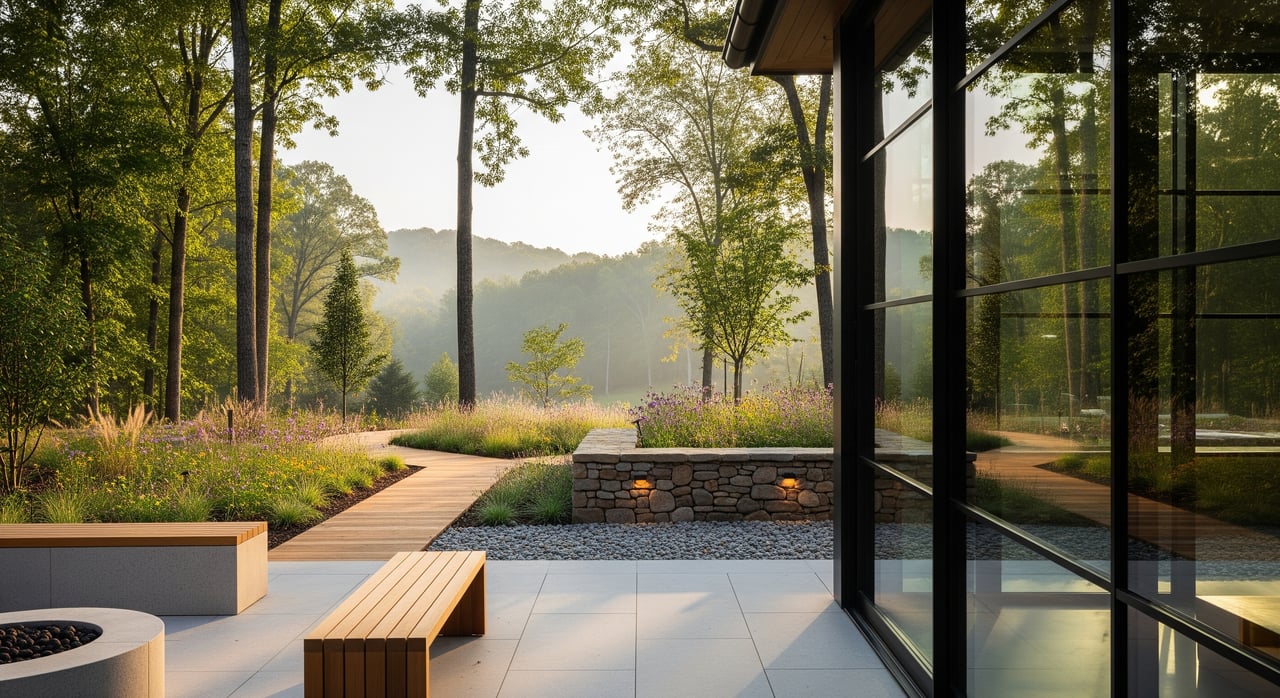
Love the idea of stepping out your door and hopping onto a shady path for a morning run or a quick bike ride to coffee? If you are eyeing Woodstock for its parks, greenways, and walkable downtown, you are not alone. You want everyday convenience without giving up a quiet home base. This guide shows you what living near Woodstock’s trails and greenways really looks like, what to check during a home search, and how to tour smart so you can buy with confidence. Let’s dive in.
Why choose a trail-adjacent lifestyle
Living near trails in Woodstock gives you daily access to walking, running, biking, and easy connections to parks and downtown events. The city and county have made trails part of their planning, so greenways often tie neighborhoods to Main Street and community hubs. You will find paved paths for strollers and bikes as well as natural-surface routes a short drive away for longer hikes and mountain biking.
If you value health, fresh air, and a practical way to get around without the car every time, a trail-adjacent home can be a great fit. It also adds a social dimension to your neighborhood, since you will often see the same walkers, dog owners, and cyclists using the same routes.
What trail access looks like in Woodstock
You will see a few typical trail types around Woodstock:
- Paved multi-use greenways that often follow creek corridors and connect to downtown and parks.
- Natural-surface multi-use or mountain-bike trails within nearby county or state parks, often reached by a short drive.
- Neighborhood or HOA connector paths within newer subdivisions that plug into larger greenway networks.
- Linear parks or rail-trail style corridors in redevelopment areas, some built and some planned for future links.
Creek corridors, including Noonday Creek and nearby tributaries, are common routes for greenways. Expect boardwalks, signage, and benches in many sections, along with restrooms at major parks. Lighting varies by segment, so it helps to tour after dark to see what nighttime use feels like.
Neighborhoods near trails and downtown
You will find a mix of neighborhood settings within walking or biking distance of trailheads:
- Historic downtown and surrounding blocks: older lots with bungalows and Craftsman cottages, plus some in-fill condos and adaptive re-use. You can usually walk to shops, restaurants, and events.
- Older suburban areas from the 1980s to early 2000s: single-family homes on moderate lots, mature trees, and sidewalks in some sections. Proximity to greenways varies.
- Newer planned communities and subdivisions: townhomes, paired homes, and single-family options with sidewalks, pocket parks, and internal paths that connect to nearby greenways.
- Mixed-use and live/work pockets near downtown: townhomes and multifamily options above or near retail.
- Rural-residential outskirts: larger lots and private drives a short drive to formal greenways, sometimes with private trails or easements.
Home styles range from renovated Craftsman bungalows and brick ranches to traditional two-stories and modern townhomes. Newer builds often feature energy-efficient systems and open layouts. Properties with easy trail access or a short walk to downtown tend to attract buyers who prioritize lifestyle convenience.
How close is “close enough” to a trail?
- Immediate access: Within 0.25 mile, which is about a 5-minute walk.
- Bikeable access: Within 0.5 to 1 mile, often an easy daily ride.
- Short drive: Beyond 1 mile, still very convenient if you plan weekend hikes or occasional rides.
Use these benchmarks to weigh tradeoffs between privacy and access. A home right on the trail may offer the easiest use, while a few blocks away can feel quieter.
Key considerations for trail-adjacent homes
Buying next to a greenway is different from buying a typical suburban home. Put these items on your due diligence list.
Floodplain and drainage
Many greenways follow creeks and sit near floodplains. Before you fall in love with a property, do the following:
- Check FEMA Flood Insurance Rate Maps for the parcel.
- Ask about any floodplain development permits, elevation certificates, or insurance claims.
- Confirm whether wetlands or riparian buffers impose setbacks or no-build rules.
Understanding the site’s elevation and history will help you budget for insurance and future improvements.
Vegetation, trees, and slope
Creek banks can be steep and heavily vegetated. Invasive plants, mature trees, and erosion may need periodic maintenance. Responsibilities vary by location and ownership. Confirm whether the HOA, city, or county handles tree work and bank stabilization beyond your property line.
Wildlife and pests
Living near a creek or woodline increases the chance of wildlife sightings, which many buyers love. It can also mean more ticks and mosquitoes during certain seasons. Ask about typical pest control needs, and factor that into your ongoing maintenance.
Noise, privacy, and safety
Trail traffic can increase foot and bike activity near your yard, especially on weekends. Tour at peak hours to check sightlines and comfort level. Look for existing fencing and foliage that provide screening. Also evaluate lighting, crosswalks, and signage where the greenway intersects streets.
HOAs, easements, and access rules
If a trail is privately maintained, the HOA will have rules and budgets that affect upkeep and use. Verify:
- Maintenance frequency and who pays for it.
- Hours of use, pet policies, and parking rules.
- Any conservation or public access easements that limit fence placement or structures in your yard.
What to look for on a tour
Seeing the home is only half the tour. Bring a comfortable pair of shoes and test the routes you plan to use.
Time your visits
- Morning on weekdays: Evaluate commuter use, morning joggers, and typical noise levels.
- Midday on weekdays: Check daytime activity and nearby business patterns.
- Evenings and weekends: Observe peak use, events, and lighting after dark.
- After heavy rain: Inspect drainage, creek levels, and any erosion.
Observe the trail itself
- Surface and width: Paved vs. boardwalk vs. natural surface, and whether it is wide enough for comfortable passing.
- Signage and markers: Look for mile markers and wayfinding maps to assess how easy it is to navigate.
- Access points: Note distance to the nearest trailhead, bike racks, and parking.
- Street crossings: Check crosswalks, pedestrian signals, and sightlines.
Consider daily life factors
- Sidewalks and street trees between the home and the trail.
- Trash pickup, mowed medians, and general upkeep.
- Any event signage and where festivals or parades might affect traffic.
Practical items to request from the listing agent
- Trail maps and a description of ownership and maintenance responsibilities.
- Utility and stormwater easement maps.
- Any prior flood insurance claims or elevation certificates.
- HOA covenants and bylaws, including reserve funding and any special assessment history for townhomes or condos.
If you rely on a bike or stroller, bring it back on a second tour and try the route to downtown. Small barriers like stairs or steep grades can change your day-to-day experience.
Safety and fit for your lifestyle
Different households use trails in different ways. Consider these specifics before you write an offer.
- Families with young children: Check the grade of the path, proximity to busy streets, and whether you can secure the yard with fencing.
- Dog owners: Confirm leash rules and the availability of pet waste stations.
- Commuters: Evaluate the directness of the route to your target destinations and whether you have secure bike storage at home.
Resale and value considerations
Proximity to well-connected, well-maintained greenways generally boosts appeal for buyers who prioritize outdoor living. The premium depends on the quality of the connection, perceived safety, and nearby amenities. Use recent sales near the same trail segment as your best indicator, and remember that immediate trail access can be a differentiator in competitive markets.
A quick touring checklist
Use this compact list to stay focused:
- Visit morning, midday, and evening.
- Walk and time the route to downtown or your go-to park.
- Check flood maps and review seller disclosures.
- Confirm trail ownership and maintenance.
- Observe lighting, signage, parking, and restroom access at trailheads.
Who is this lifestyle ideal for?
If you want daily walking or running routes, bike-friendly connections, and frequent access to downtown events, trail-adjacent living in Woodstock fits well. Buyers who work remotely or have flexible schedules often get the most from midday use, while families appreciate easy playground and park access. If you mostly drive and want maximum privacy, you might prefer a home a few blocks off the trail with bikeable access instead of direct frontage.
How The Key Group helps
You deserve a home that matches the way you live. Our team helps you balance trail access with the right property type, HOA structure, and maintenance profile. We will verify floodplain and easement details, gather HOA documents, and coordinate tours at the times that matter to you. If you are relocating, we can organize virtual showings and map out trail connections so you can picture your daily routine before you arrive.
When you are ready to explore homes near Woodstock’s trails and greenways, reach out for local guidance tailored to your lifestyle. Connect with Christi Key to schedule a Free Consultation and start your search with confidence.
FAQs
What should I know about flood risk near Woodstock greenways?
- Review FEMA flood maps for the property, ask for seller disclosures, and request any elevation certificates or prior flood insurance claims before you commit.
Who maintains the trails near Woodstock homes?
- Maintenance can be handled by the city, county, or an HOA, depending on location. Confirm ownership, ask for maintenance schedules, and review HOA documents if the trail is private.
Does living near a greenway increase home value?
- Proximity to safe, well-connected greenways often boosts buyer appeal. Look at recent sales near the same trail segment to gauge any premium in your target area.
How close should I be to use a trail daily?
- About 0.25 mile is immediate walkable access for most people. A half to one mile is usually bikeable and still convenient for frequent use.
Are there privacy or noise concerns next to a trail?
- There can be more foot and bike traffic on evenings and weekends. Tour at peak times, check fencing and foliage, and assess nighttime lighting to ensure you are comfortable.
What documents should I request during due diligence?
- Ask for trail maps, HOA rules and budgets, utility and stormwater easement maps, and any flood-related records. These help you plan for maintenance, insurance, and future projects.